
Electrifying Everyday Tasks: How AC and DC Currents Drive Modern Convenience
AC (alternating current) and DC (direct current) are two fundamental forms of electrical power that play essential roles in powering various devices and systems in our everyday lives. While both currents have distinct characteristics and applications, they work together seamlessly to provide the electricity needed to fuel our modern world. This ac current vs dc current explanation will help you a lot!
AC current, characterized by its periodic reversal of direction, is the primary form of electricity used in homes and businesses. It is delivered through power lines and distributed to buildings via electrical grids. AC current powers a wide range of household appliances, including refrigerators, televisions, and air conditioners. Its ability to transmit electricity over long distances with minimal loss makes it ideal for powering large-scale electrical systems and infrastructure.
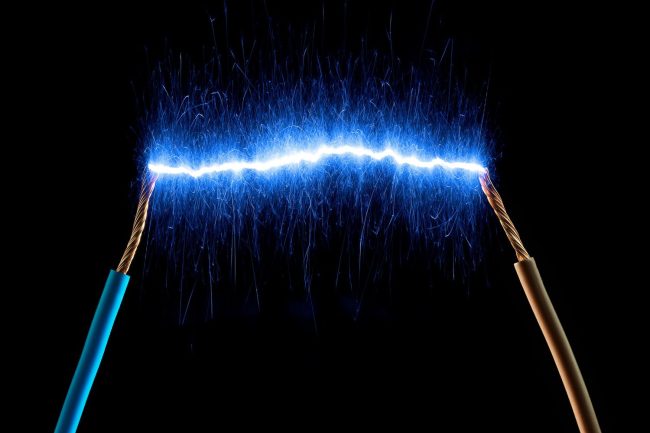
On the other hand, DC current flows continuously in one direction and is commonly used in smaller electronic devices and systems. Battery-powered devices such as smartphones, laptops, and portable music players rely on DC current to operate. Additionally, DC current is used in renewable energy systems such as solar panels and wind turbines to convert and store electricity for later use. Its stable and predictable flow makes it well-suited for powering sensitive electronic components and devices.
In everyday life, the applications of AC and DC currents are vast and varied. From lighting up our homes and powering our appliances to charging our electronic devices and fueling our transportation systems, electricity in its various forms has become indispensable to modern living. Whether we’re flipping a light switch, plugging in our smartphones, or riding the subway to work, we rely on the seamless integration of AC and DC currents to power our daily routines and activities.
In conclusion, AC and DC currents are integral components of our modern electrical infrastructure, driving innovation, convenience, and efficiency in our everyday lives. From the lights that illuminate our homes to the devices that keep us connected, these two forms of electricity work in tandem to power the technologies and systems that enrich our lives. As we continue to rely on electricity for an increasing number of tasks and functions, the importance of understanding and appreciating the role of AC and DC currents in powering our world becomes ever more apparent.